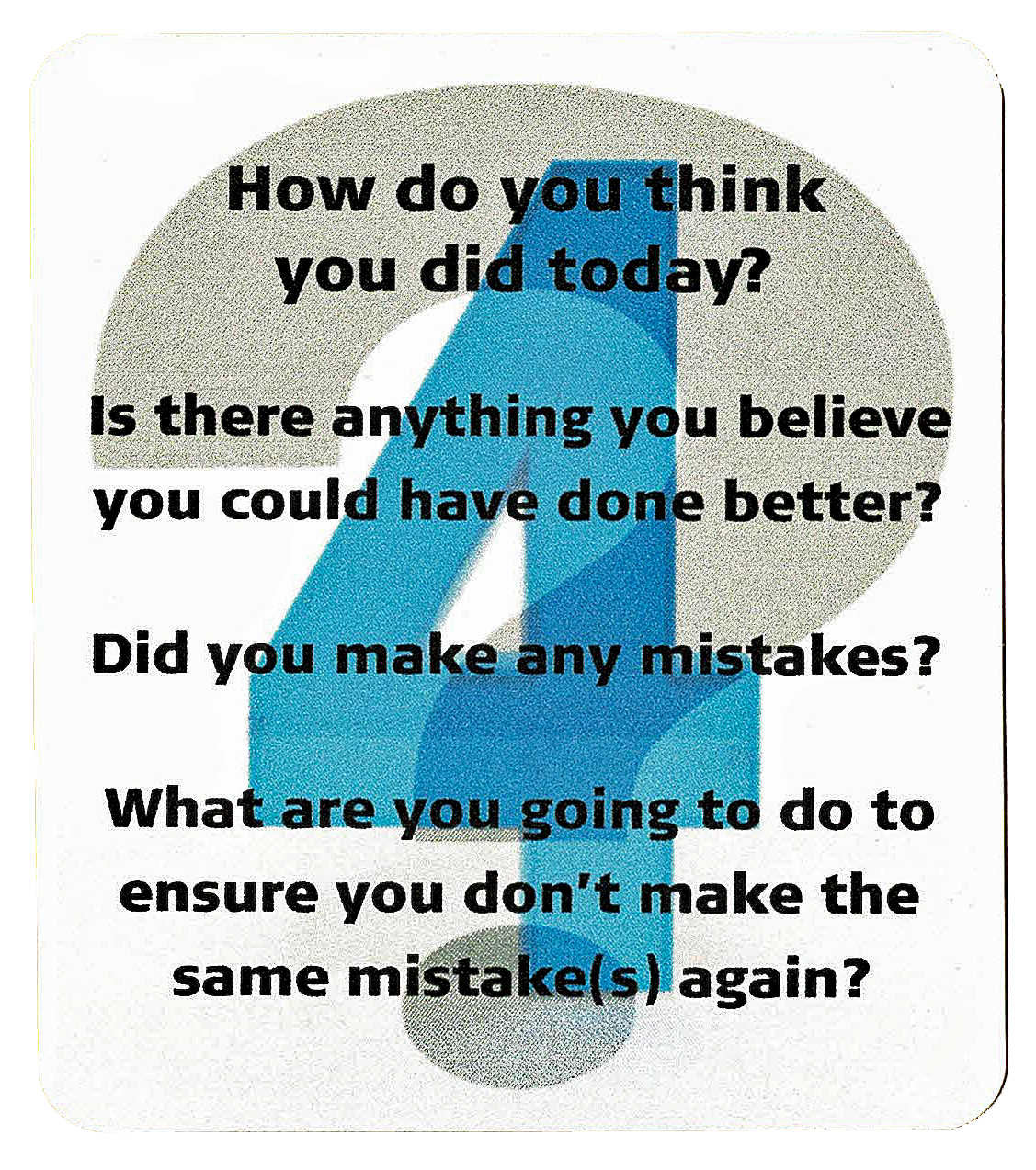
Mentoring is so much more than simply being a good teacher or instructor. A good mentor is recognized as a wise man or wise woman who will impart their wisdom on their students and offer to share their own life experiences along with a good dose of common sense to maybe help keep their charges from stumbling over the same obstacles themselves. Everyone has wisdom. The longer you've lived the more you will accumulate. It's meant to be shared with others, not stored and forgotten in the back of your head.
In addition to being good teachers and sharing wisdom, good mentors have several other qualities. Mentors serve as trusted guides and advisors. They counsel their students using their collective knowledge and wisdom to help provide guidance and advice - showing the way. They build an unwavering trust with their charges, helping them to set or reset their moral compass. Everyone needs at least one good mentor, preferably many. The instruction and guidance conveyed will help the student become a good citizen of the world. That's a good thing for everybody.
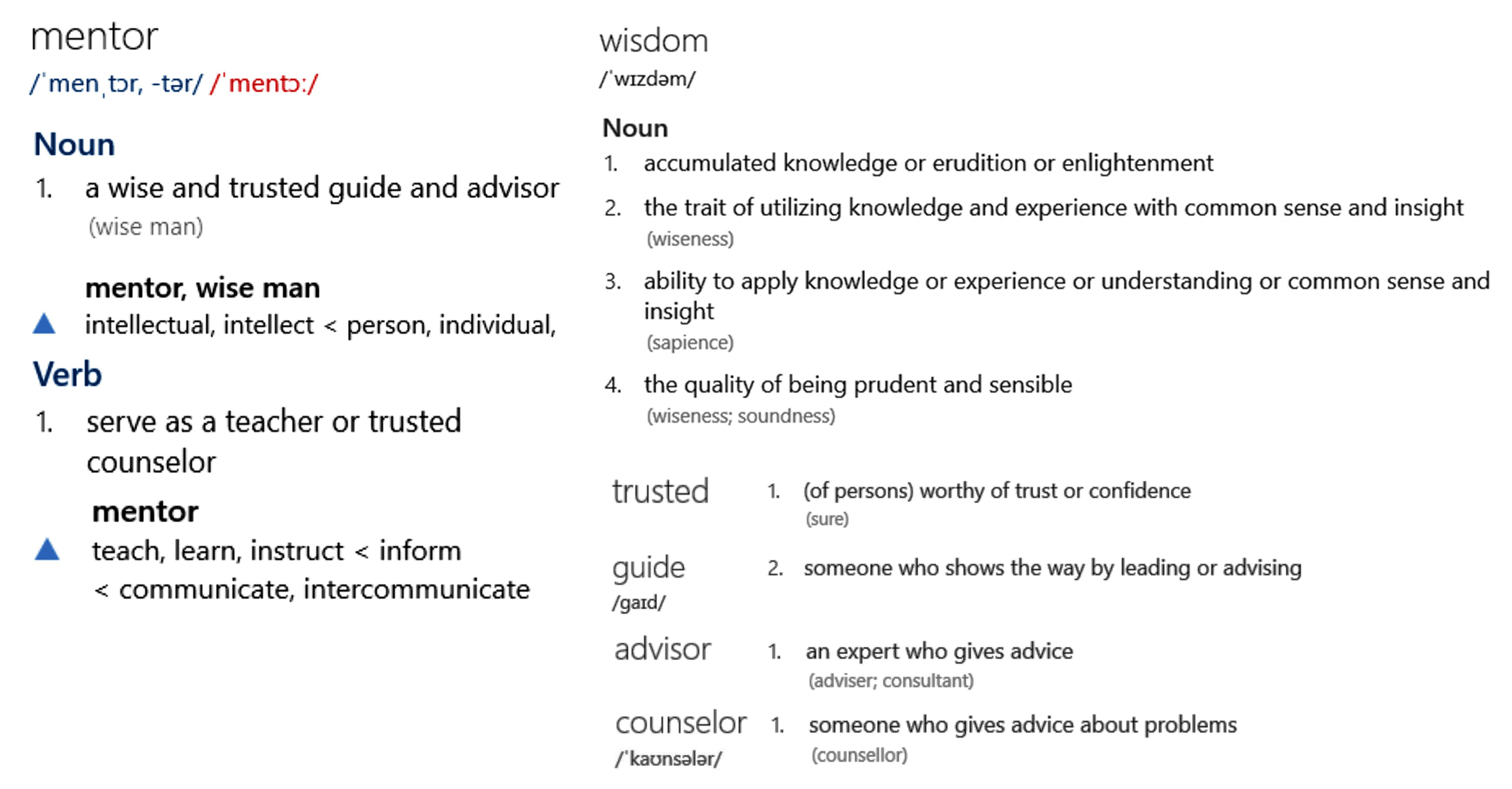
In his twenty years as a youth hockey volunteer, Jim would never pass up an opportunity to ask, "How do you think you did today?" A boy would start to talk about his gameplay but then inevitably drift into critiquing others on the team. Jim would stop the conversation there and explain, "I'm not asking how the team did today, I'm asking how you think YOU did today?” That forces a person to self-reflect rather than share or deflect blame onto others. He would follow with the other questions, "Is there anything you believe you could have done better?" This is where self-correction comes into play. Unless you're perfect, and some people try to convince themselves they are, there is always a little room for improvement.
Jim would follow that up with, "Did you make any mistakes?" The answer is almost always yes. A person must first admit they made a mistake and take the responsibility before they can work to correct it. If you don't think you made any mistakes, nothing will ever get better. And finally, "What are you going to do to ensure you don't make the same mistake(s) again?" This ties the self-reflecting and self-correcting together. A teacher, manager, instructor or coach can observe and tell someone what they're doing wrong and maybe even offer solutions. But it's not until YOU identify your own shortcomings and CHOOSE to correct them that it will become embedded in your own consciousness.
The four questions can be applied to anything you do and taught to anyone you mentor. There's usually a reason for everything. One simply needs to pause, spend time reflecting and identifying solutions to make it better the next time.